 Any Osirionologist can tell you that hieroglyph translation is neither an easy nor an exact field of
study. Hieroglyphs vary by region and historical period. Often a single symbol was used for multiple meanings, depending on its location relative to other glyphs, and they can also contain coded messages, or even be used to represent phonetic language.
Any Osirionologist can tell you that hieroglyph translation is neither an easy nor an exact field of
study. Hieroglyphs vary by region and historical period. Often a single symbol was used for multiple meanings, depending on its location relative to other glyphs, and they can also contain coded messages, or even be used to represent phonetic language.
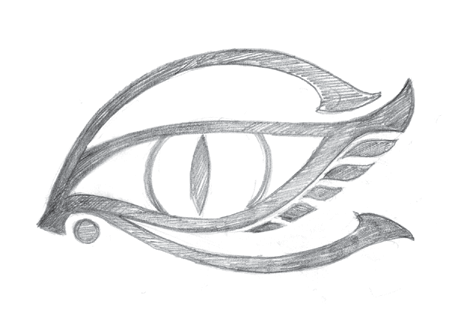
Untold generations ago, Osirian scribes dedicated to Nethys began using a special symbol to mark and bless documents of particular importance or historical significance, created magically and visible only to those who cast the appropriate spells. Known as “the Nethysian eye,” this mysterious symbol takes the shape of a stylized eye split in two (mirroring the god of magic’s split personality), and is thought to invite Nethys’s attention and protection. Though its usage appears to have waxed and waned throughout the centuries, the symbol can often be found on ancient tombs, and treasure-hunters with a scholarly mindset are well advised to keep a magical eye out, as the symbol sometimes marks secret chambers or record rooms as well. Little more is known about the symbol, including whether or not it’s still in use today, as the church of Nethys refuses to discuss the matter with outsiders.